Soil stabilization is the practice of improving on site soils so they can reliably support pavements, pads, and structures. On most projects it sits between earthwork and paving, and it often becomes the difference between a schedule that holds and one that slips after a week of rain. At its core, stabilization changes the strength, Read more Soil Stabilization: Practical Basics for Owners and Project Teams
Soil drying and modification are practical tools that keep projects moving when site soils are too wet or too plastic to compact and carry construction Read more Soil Drying and Modification: Keeping Projects Moving When Soils Are Wet
Base stabilization strengthens an existing granular or reclaimed base layer so it can better carry traffic and protect the surface course above it. Instead of Read more Base Stabilization: Building a Strong Foundation for Durable Pavements
Full-depth reclamation (FDR) is an in-place recycling method that rebuilds a worn pavement from the bottom up. Instead of hauling away distressed asphalt and weak Read more Full-Depth Reclamation: Turning Tired Pavements into Strong Bases
When a project spec says “stabilize at 4 percent” or “add 5 percent cement,” your spreader controller usually needs a surface spread rate in pounds Read more Converting a Percentage to a Surface Spread Rate (lb/yd²)
How Far Will This Tanker Load Go? Converting Load, Width, and Target Rate Into a Marked Distance
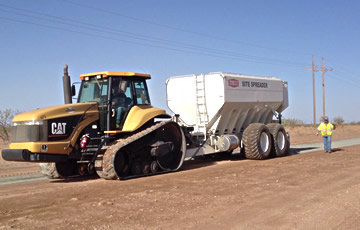
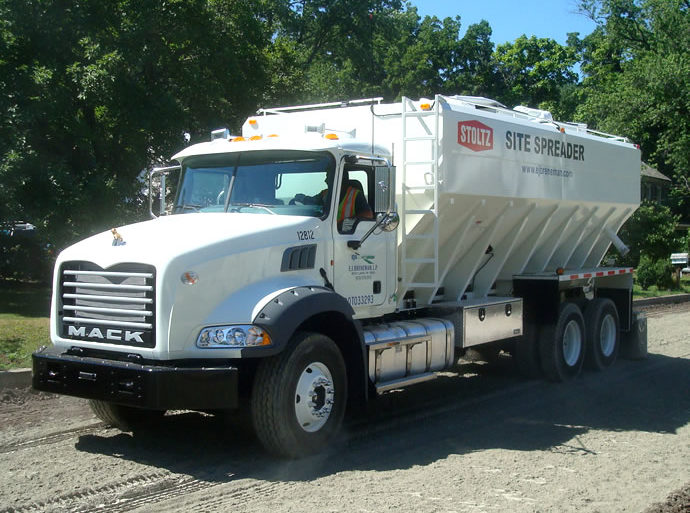
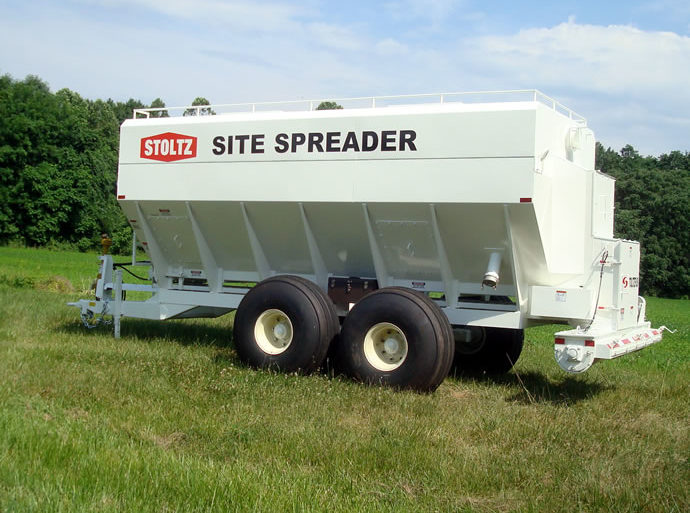
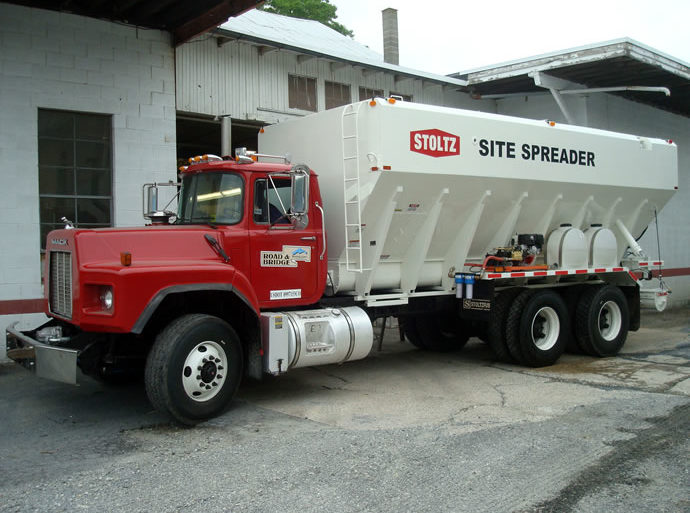
Your tanker just arrived and you have the scale receipt. You also know the target spread width and the controller setpoint in pounds per square yard. The next step is simple: calculate how far that load should carry so you can mark off the run before you start. Talk to the team The Core Formula Distance (feet) = Read more How Far Will This Tanker Load Go? Converting Load, Width, and Target Rate Into a Marked Distance